What is A5 wagyu, and how do you tell the real thing?
Alba Street · · 6 min read
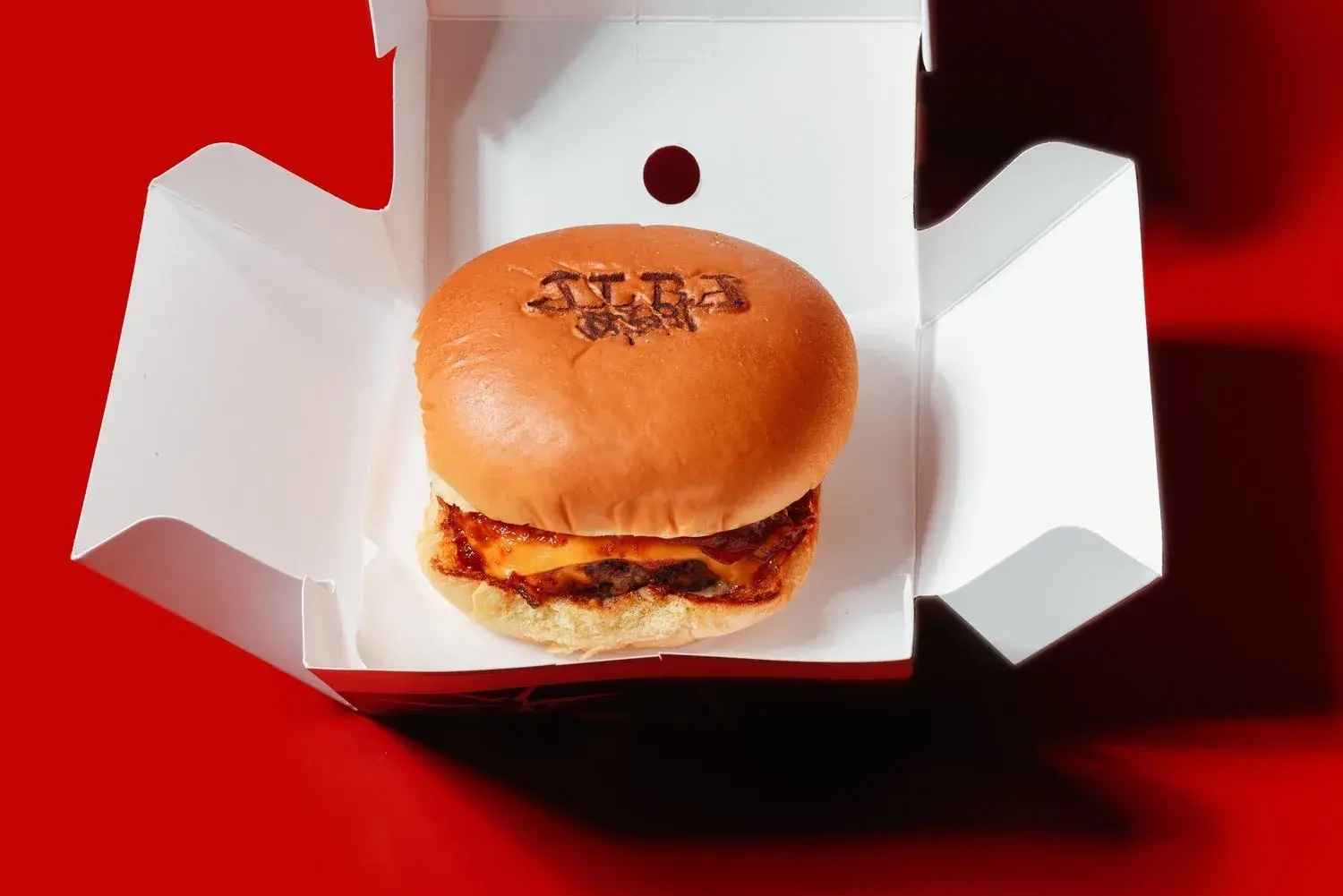
"A5 wagyu" appears on more menus in Dubai every year, and on a fair number of them it means very little. The term is not marketing language — it is a specific grade issued by a specific body under a specific system. Once you know what the letter and the number are measuring, you can read a menu properly.
What wagyu means first
Wagyu simply means Japanese cattle. It covers four native breeds, of which Japanese Black accounts for the overwhelming majority of what is graded and exported. Crucially, "wagyu" on its own says nothing about quality, and it does not necessarily mean Japanese: cattle of wagyu genetics are raised in Australia, the United States and elsewhere, and are legitimately sold as wagyu. What those cattle do not carry is a Japanese grade.
The letter is yield. The number is quality.
Japanese beef is graded by the Japan Meat Grading Association on two independent axes.
- The letter — A, B or C — is the yield grade: how much usable meat the carcass produced relative to its weight. A is the highest. This is a measure of the animal, not of how the steak tastes.
- The number — 1 to 5 — is the quality grade, and it is the one that matters on a plate. It is scored across four separate criteria: marbling, meat colour and brightness, firmness and texture, and the colour, lustre and quality of the fat.
The quality grade is not an average. It is the lowest of the four scores. A carcass that scores 5 for marbling, 5 for colour, 5 for texture and 4 for fat quality is a 4, not a 4.75. That is why A5 is genuinely difficult: everything has to land at the top simultaneously.
The number inside the number
Underneath the quality grade sits the BMS — the Beef Marbling Standard — running from 1 to 12. A quality grade of 5 covers BMS 8 through 12, which is a wide range. Two pieces of beef can both be honestly labelled A5 and sit several BMS points apart. If a kitchen knows its supply, it can tell you the BMS. If it cannot, that is worth noticing.
How to read a menu that says A5
- A5 without "Japanese" is a soft claim. Wagyu-genetics beef raised outside Japan is not graded on this scale at all, so "A5" applied to it is borrowed language.
- Ask which prefecture or which supply. Japanese beef is traceable by individual identification number. A kitchen buying it properly can answer.
- Be suspicious of A5 that is cheap in a large portion. A5 is expensive per kilo, and the honest way to serve it affordably is to serve less of it in a format built around it — a slider, a handroll, a burger patty — not a large steak at a small price.
- Richness is the tell. A5 is not "beefier" than good steak. It is softer, sweeter and far richer, and most people find a small portion is the right portion.
Why we serve it in a bun
A5 in a large format is a fine-dining proposition and it prices accordingly. In a street food format, the sensible move is to build the dish around the fat rather than the mass: a patty that renders into the bun, house-fermented kimchi with the acidity to cut it, aged cheddar for salt, and truffle oil because it belongs with that much beef fat. You get the actual character of A5 — the richness, the sweetness — at a price you would pay for lunch.
It is the same wagyu supply the Alba kitchen buys for the restaurant. That is the whole reason Alba Street exists.
A5 Wagyu. No reservation required.
Alba Street is open daily from 11:00 — until midnight Sunday to Thursday, until 01:00 on Friday and Saturday — at Social Distrikt, Dubai Mall – Fountain Views.